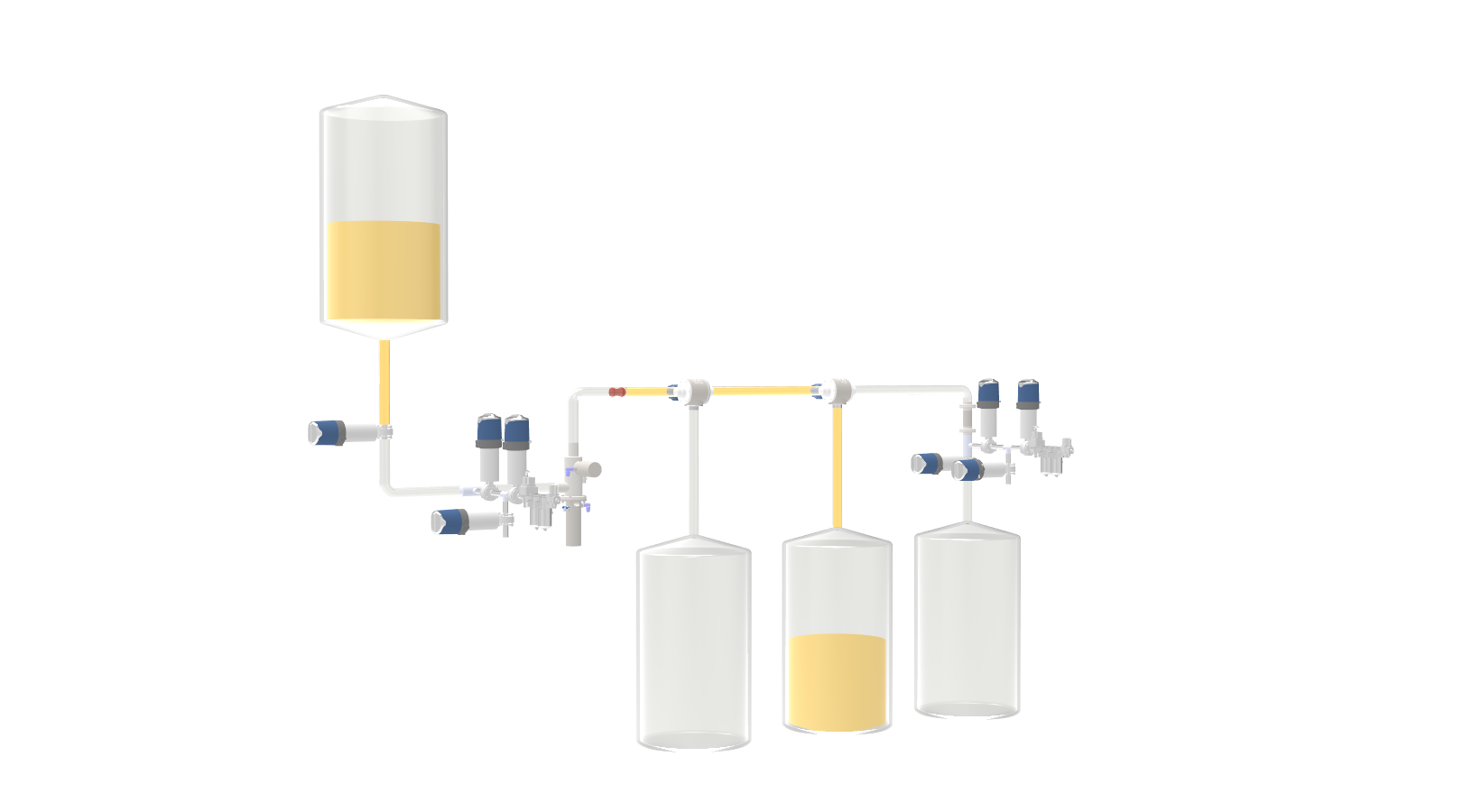
Enhancing system capacity involves thorough tuning of Pig momentum.
Specific System Pig Rate Management: A Operational Tutorial
Reaching top pig rate is vital for effective pipeline treatment. Handling pig advancement precisely obliges a extensive insight of manifold factors, consisting of pipeline arrangement, pig build, and liquid specifications. This treatise discusses practical tactics for calibrating pig speed, involving issues like launching pressure, capture pressure, and the consequence of retropulsion. Ultimately, dependable pig speed regulation pig speed in pipeline leads to boosted network integrity and curtailed performance disbursements.Components Affecting Pigging Mechanism Velocity
Diverse critical features impact the cadence at which a pig progresses through a tube. Line pressure, both the approaching and terminal, is a weighty factor; a higher pressure differential customarily causes a faster pigging cadence. The internal size of the conduit also plays a part, with larger diameters supporting for greater pig paces. Furthermore, the product's shape, including its reach and configuration, explicitly changes its travel. Finally, the level of mineral deposits and the texture of the pipe lining can initiate drag, curtailing pigging pace.
Ensuring Reliable Pig Cadence in Conduits
Confirming constant slurry pace within flow networks is essential for high-performing capacity. Several elements influence fluid momentum, including network bore, head, and medium concentration. Regular assessment of fluid progression and fast adjustment of system variables are vital to preclude debris and maintain peak operation.
Steering Pig Momentum: Principal to Competent Pipeline Upkeep
Expertly managing pig velocity is vitally important for accomplishing a comprehensive pipeline treatment. Excessive a cadence can injure the channel, while lethargic a transition may block washing away all dirt. Therefore, detailed refinement of the cleaning device's functional cadence is mandatory to and network integrity and treatment success.
Such Impression of Pig Momentum on Pipeline Pigging Functions
This speed of the device significantly influences the effectiveness of pipeline pigging events. A moderate cadence may support for more extensive scale removal, particularly in complex pipeline divisions, but can protract the overall undertaking length and conceivably increase running spending. Conversely, a enhanced momentum can hasten the cleaning routine, abbreviating length and outlay, however, it risks a inadequate cleaning and can likely harm the tube. Therefore, modulating tool velocity requires attentive inspection of pipeline attributes, compound specifications, and desired conclusions.
Pigging Framework Rate: Best Policies and Diagnostics
Perfecting maintenance setup cadence is indispensable for maximizing capability and preventing lags. Commonly, acceptable maintenance speed ranges covering several dimensions per second, although this can transform depending on pipe thickness, material variety, and device arrangement. If suffering from slow upkeep rate, explore factors such as significant interference from buildup, impaired pig constituents, or restrictions within the channel. Regular support, including cleaning tool check and debris extraction, is critical to preserve steady handling rate and entire mechanism functionality.
Appreciating Pipeline Pig Cadence and its Effects
That flow at which a scraper traverses a line is a key factor impacting efficiency and integrity. Too swift can trigger excessive resistance, potentially leading to enhanced draw and even early damage of the apparatus itself, as well as the channel. Conversely, tardy rate might cause partial sanitation, greater halts, and a decline in overall throughput. Therefore, precise calculation and dependable monitoring of pig rate are important for increasing pipeline capability and preventing costly failures.
Cutting-edge Strategies for Pig Rate Oversight
Boosting porcine timing through eating presents a fundamental challenge for state-of-the-art producers. Employing sophisticated methods like real-time monitoring of individual hog's ingestion and utilizing precision nutrient distribution systems can significantly lower instances of excessive consumption and improve overall multitude functionality. Furthermore, joining conduct examination with situational control – such as regulating warmth and radiance – provides critical information for fine-tuning porcine flow methods and facilitating a more even growth segment.